make preferable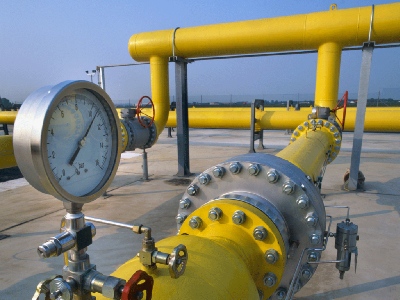
Germany has made significant progress in reducing its dependence on Russian gas, oil and coal imports since the escalation of the Ukrainian crisis, Economics Minister Robert Habeck said on Thursday, Reuters reported.
Russian oil imports now account for 25% of German imports, compared to 35% before the escalation, while gas imports have fallen from 55% to 40%, he said. Imports of Russian hard coal decreased to 25% from 50%.
By the summer of this year, the share of Russian gas imports will fall to 24%, but the minister noted that by the summer of 2024, Europe's largest economy will no longer depend on Russian gas.
Habeck noted that achieving this goal will require huge efforts from the government, municipalities, companies and consumers. He said utilities are working hard to cope with decades of dependence on Russian pipelines.
In recent weeks, the minister has visited gas producers such as Qatar and Norway to ask them to increase supplies to Germany.
Utilities Uniper and RWE are working on liquefied natural gas (LNG) terminals to bring sea gas into the country.
Germany has made the most progress in reducing its dependence on oil and coal supplies from Russia. Habeck said that German companies were able to quickly diversify by canceling contracts or entering into new contracts with alternative parties.
Germany could halve its dependence on Russian oil by summer, and cut it entirely by the end of the year.
Power plants operating on Russian coal may be left without Russian supplies as early as the fall of 2022. Khabek said that while it was too early for an immediate energy embargo, each canceled supply contract will hurt Putin.