make preferable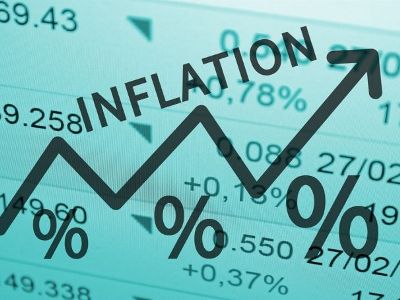
The war in Ukraine will hurt the European Union's economic recovery for the foreseeable future because of lower annual growth and record-high inflation.
Summer data for 19 eurozone countries found that inflation will reach an average of 7.6 percent this year, a significant increase from previous expectations of 6.1 percent, PA Media reported.
Last month, consumer prices rose 8.6 percent from a year earlier.
Expectations for economic growth fell 0.1 point to 2.6% for the year, well below last year's growth of 5.3%.
“Russia's war against Ukraine continues to cast a long shadow over Europe and our economy,” said EU Vice President Valdis Dombrovskis.
The war has caused energy and food prices to spike, leading to galloping inflation and affecting economic growth and consumer confidence.
Fears are growing that the energy crisis could worsen if Russia continues to reduce natural gas supplies or cuts them completely, as European countries try to replenish their supplies in preparation for winter.
The EU acknowledged that Russian President Vladimir Putin could throw the European economy off balance for several months and make any forecasts highly uncertain.
The EU said in a statement that the risks to the outlook for economic activity and inflation depend strongly on the development of the war and, in particular, its effects on Europe's gas supplies.
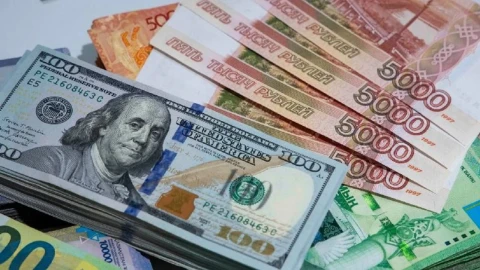
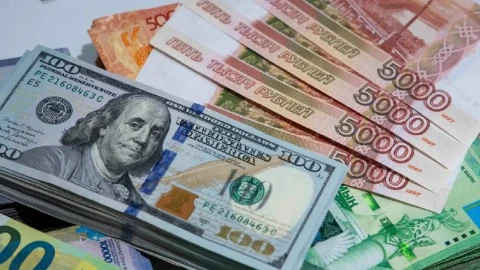
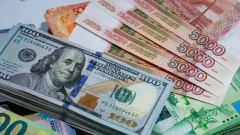
Higher energy prices and record inflation are largely responsible for another dire economic sign, with the euro fluctuating near parity with the U.S. dollar after falling to its lowest level in 20 years.
To make matters worse, the recent spike in Covid-19 cases is causing new turmoil.
"With the course of the war and the reliability of gas supplies unknown, this forecast is subject to high uncertainty," European Commissioner for the Economy Paolo Gentiloni said.
However, volatility could also change, as commodity and energy prices could fall at a faster pace than currently projected.