make preferable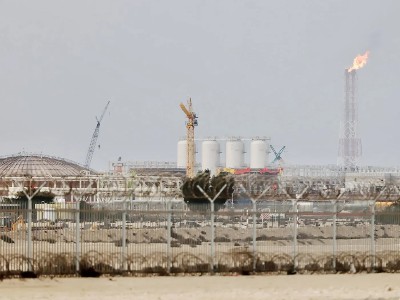
Regardless of how long the current Middle East instability lasts, it may set in motion or accelerate lasting changes in global energy flows and policy, Axios reports.
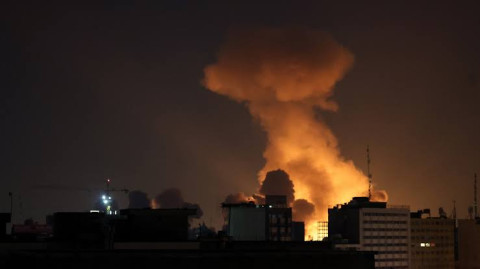
Analysts are beginning to look beyond the immediate market shock — which is, in fact, enormous. Oil prices surpassed $100 per barrel on Sunday evening. The spreading conflict is, according to Rapidan Energy Group, "the largest oil supply disruption in history."
Three key effects to watch:
Risks and opportunities for China. In the short term, China faces serious risks as a major buyer of Middle Eastern oil and Qatari LNG. Long-term, the picture may differ. Jason Bordoff of Columbia University's Center on Global Energy Policy notes in Foreign Policy that "crises often reshape energy geopolitics in unexpected ways. This crisis may ultimately strengthen, not weaken, China's strategic position." China's leadership in clean energy supply chains looks even more attractive if the crisis accelerates a global move away from volatile oil and gas. Meanwhile, disruptions to Qatari LNG may benefit American producers, analysts say — adding tension to Beijing-Washington relations.
The need for strategic reserves. China has built very large oil reserves in recent years — estimated at 1.2 to 1.4 billion barrels. After this crisis, other countries may also begin building up strategic reserves. "Regardless of the outcome, we will be moving from a just-in-time to a just-in-case model," noted Arjun Murti of Veriten.
The need for diversification. The crisis has exposed the vulnerability of global supplies and may accelerate countries' shift to domestic energy sources, particularly renewables. However, rising gas prices and import dependency risks may also stimulate nuclear, coal and domestic oil and gas development. For Europe especially, the lesson is stark: after over-reliance on Russian gas, a pivot to LNG, and now the loss of Qatari supplies, diversification has become critical.