make preferable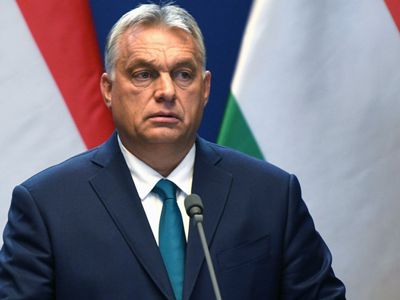
Hungary's government may expand fuel and some basic food price limits in the coming weeks, Prime Minister Viktor Orban said.
Inflation in Hungary jumped more than 20 percent in September, exceeding market expectations, helped by a 35.2 percent rise in food prices and a 62.1 percent rise in energy prices after Orban's government cut utility subsidies for some households. Orban sharply criticized the European Union for imposing sanctions against Russia, saying they had failed to significantly weaken Moscow while causing food and energy prices to rise.
He said all aspects of economic policy must work to achieve his goal of containing price increases to a single-digit range by the end of next year, including a possible extension of the price limits on some goods.
"That's why in the coming weeks we will be constantly making decisions about expanding the list of goods," Orban said. "There will be new products that we want to maximize the prices of centrally, as we already have with six major food items," he added, without going into detail.
Last month, the government extended price caps on fuel and staple foods through the end of this year to protect households from skyrocketing prices.
Economists polled by Reuters predict that average inflation will rise to 15 percent, with price increases exceeding the central bank's target range of 2 percent to 4 percent even in 2024.