make preferable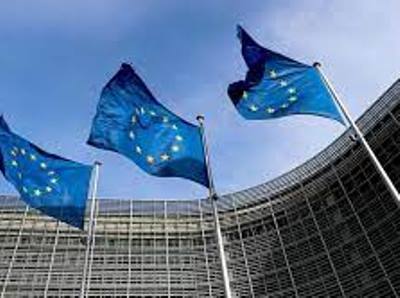
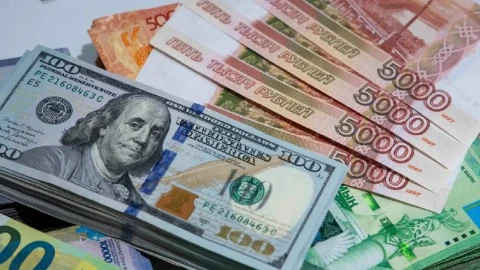
Inflation in the eurozone reached a record 8.1% in May on the back of rising energy and food prices, partly caused by Russia's war in Ukraine.
Annual inflation in the 19 countries that use the euro surpassed the previous record of 7.4% reached in March and April, according to the latest data from the EU statistics agency Eurostat.
Inflation in the euro area is currently at its highest level since the start of euro accounting in 1997.
Soaring prices are taking a toll on household finances and are forcing officials to act quickly to prevent further increases in the cost of living.
Energy prices jumped 39.2%, highlighting how the war and the accompanying global energy crisis are making life more expensive for the 343 million people in the eurozone.
Brent crude, the international standard, rose to $120 a barrel after the agreement.
Oil and natural gas prices have already jumped on fears that the war will cut off supplies from Russia, the world's largest oil exporter. Strong global demand in the wake of the COVID-19 pandemic and a cautious approach to increasing production by the OPEC oil cartel have pushed up energy prices.
Russia's neighbors, which are gradually phasing out Russian gas, were among the hardest hit. The inflation rate in Estonia reached 20%, in Lithuania - 18.5%, and in Latvia - 16.4%.
Prices for food, alcohol and tobacco rose by 7.5% in May, according to Eurostat, another sign that the war in Ukraine, the world's main supplier of wheat and other agricultural commodities, is pushing up prices around the world. Prices for goods such as clothing, household appliances, cars, computers and books rose by 4.2%. Prices for services increased by 3.5%.
Inflation is also a problem in other advanced economies such as the UK and the US, where it is at its highest level in four decades.
In Poland, which does not use the euro, annual inflation jumped to a 24-year high of 13.9% in May.
Rising fuel and food prices were the main drivers of the economic boom, fueled by a huge influx of Ukrainian refugees, which boosted consumer demand.
The latest data is increasing pressure on euro zone officials to raise interest rates from ultra-low levels to curb rising prices, although this could slow down the economic recovery. Earlier this month, the European Union lowered its economic growth forecast amid the prospect of a protracted Russian-Ukrainian war and prolonged disruptions in energy supplies.