make preferable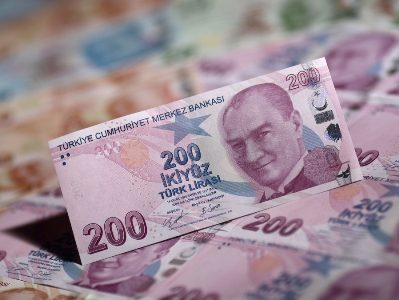
The bonds of some of the largest Turkish companies have found themselves in troubled territory as soaring inflation and one of the worst currencies in the world hurt the economy, Bloomberg reported.
Bonds of the country's second largest telecommunications company Türk Telekomünikasyon AS have been trading at troubled levels since the beginning of last week. Investors are demanding a premium of more than 1,000 basis points over US Treasuries for the company's June 2024 and February 2025 bond issuance totaling $1 billion, according to data compiled by Bloomberg. In response to questions from Bloomberg, the company said its liquidity position is "robust" and it may consider buying back any of its $2 bonds subject to liquidity conditions.
Turkish companies will face over $16 billion in debt by the end of 2024. With corporate yields on dollar debt averaging close to 12%, refinancing pressure is exacerbated by the weak lira. The currency has lost more than a quarter of its value against the dollar this year, putting a strain on companies that earn most of their income, and in some cases all, in Turkey but have dollar-denominated debt.
There has been only one sale in the international debt markets in Turkey this year, after a division of Coca Cola Co. bottling sold bonds. That compares to 14 corporate deals in all of 2021, according to data compiled by Bloomberg.
According to Yegor Fedorov, an emerging markets analyst, the government's move to ban loans to companies holding foreign currency cash, aimed at slowing the depreciation of the lira, reduces the ability of companies to hedge their foreign currency positions and increases corporate debt risk.
Price increases in Turkey have been in double digits almost non-stop since the start of 2017, but this year it is close to a 25-year high amid a sharp rise in prices for energy and other commodities.
While central banks around the world are fighting inflation by tightening monetary policy, Turkey has kept its base rate unchanged this year. President Recep Tayyip Erdogan believes, contrary to mainstream economic theory, that higher rates cause faster inflation.
The annual increase in prices in June was 78.6%, and a month later, the cost of insurance against the default of the Turkish government reached its highest level in almost two decades.
The risk comes from sovereign and bank FX liquidity, as well as growing risk perception across the economy, said Magdalena Polan, lead emerging markets economist at PGIM Fixed Income, noting that Turkish companies have sufficient funds to cover short-term foreign investment.
Last week, Fitch Ratings downgraded the long-term foreign currency issuer default ratings of 25 Turkish banks, citing political uncertainty and increasingly interventionist policies" as well as inflation. To top it off, parliamentary and presidential elections will be held in Turkey in June 2023.